| Previous
Page |
PCLinuxOS
Magazine |
PCLinuxOS |
Article List |
Disclaimer |
Next Page |
ICYMI: Just Over 50 Percent Of The Internet Is Now AI Slop |
|
by Paul Arnote (parnote)
 Image by jürgen ihle from Pixabay Mold found at the site of the Chernobyl nuclear disaster appears to be feeding off the radiation, according to an article from the BBC. Could we use it to shield space travellers from cosmic rays? In May 1997, Nelli Zhdanova entered one of the most radioactive places on Earth – the abandoned ruins of Chernobyl's exploded nuclear power plant – and saw that she wasn't alone. Across the ceiling, walls and inside metal conduits that protect electrical cables, black mold had taken up residence in a place that was once thought to be detrimental to life. The mold – formed from a number of different fungi – seemed to be doing something remarkable. It hadn't just moved in because workers at the plant had left. Instead, Zhdanova had found in previous surveys of soil around Chernobyl that the fungi were actually growing towards the radioactive particles that littered the area. Now, she found that they had reached into the original source of the radiation, the rooms within the exploded reactor building. With each survey taking her close to harmful radiation, Zhdanova's work has also overturned our ideas about how radiation impacts life on Earth. Now her discovery offers hope of cleaning up radioactive sites and even provide ways of protecting astronauts from harmful radiation as they travel into space. When astronomers search for planets that could host liquid water on their surface, they start by looking at a star's habitable zone, according to an article from Space.com. Water is a key ingredient for life, and on a planet too close to its star, water on its surface may "boil"; too far, and it could freeze. This zone marks the region in between. But being in this sweet spot doesn't automatically mean a planet is hospitable to life. Other factors, like whether a planet is geologically active or has processes that regulate gases in its atmosphere, play a role. The boundaries of the habitable zone are defined by how much of a "greenhouse effect" is necessary to maintain the surface temperatures that allow for liquid water to persist. It's a balance between sunlight and atmospheric warming. A nearby binary star system is bereft of giant planets, but scientists think it may still be a decent place to look for life, according to an article from Yahoo! News. Binary star system Eta Cassiopeiae, located just 19 light-years away, could be a good target in the search for habitable exoplanets, according to a recent study. University of California, Riverside astronomer Stephen Kane and his colleagues simulated the orbital dynamics of the star system and concluded that it's not home to any giant planets – or any planets farther than 8 astronomical units (8 times Earth's distance from the Sun) away from its main star. But small, Earth-like planets might still be hanging out in the main star's habitable zone, waiting for astronomers to find them.  Image by Gregor Mima from Pixabay Rejoice, netizens of flesh and blood, for only a little over half of all new articles on the internet are AI-generated, according to a new report highlighted in Axios, says an article from Futurism. Believe it or not, this is kind of good news. Since the public launch of ChatGPT in November 2022, we’ve been battening down the hatches amid an absolute deluge of AI slop. But it hasn’t quite drowned us all yet, evidently. The report, published by the SEO firm Graphite, analyzed a random sample of 65,000 English-language articles published between January 2020 and May 2025. Using an AI detector called Surfer, any article that was found to have 50 percent or more of the content written with a large language model was considered AI-generated. As expected, the analysis showed a rapid spike in AI-generated articles coinciding with the release of ChatGPT, from roughly ten percent in late 2022, to over 40 percent by 2024, before slowing to a more steady climb. Now, for the good news: it looks like the influx of AI articles has hit a plateau. After AI-generated articles hit a peak in November 2024, the share of newly-published AI and human-written content has been hovering around a fifty-fifty split, As of this May, the share of new AI articles is at 52 percent, trading places from just a month ago when human written articles enjoyed a brief majority. Researchers found that low choline levels strongly correlate with these risks of brain damage, hinting at a nutrient gap affecting long-term brain health, according to an article from SciTechDaily. Researchers have long recognized that problems affecting the body often influence the brain as well. Conditions such as obesity, high blood pressure, and insulin resistance place heavy demands on the body’s metabolic and vascular systems. Over many years, that constant strain can accelerate cognitive decline and raise the likelihood of developing Alzheimer’s disease. A new study led by Arizona State University scientists suggests that these brain-related effects may begin far earlier in life than once believed. In young adults with obesity, the research team detected biological indicators of inflammation, liver strain, and early signs of injury to brain cells. Although subtle, these markers resemble patterns typically found in older adults experiencing cognitive impairment. One unexpected finding stood out. Many of the young adults in the study had unusually low levels of choline in their blood. Choline is an essential nutrient that plays a central role in liver function, inflammation management, and long-term brain health. In a recent study published in PNAS, researchers investigated the journey of tattoo ink through the lymphatic system as it accumulates in lymph nodes and affects immune cells, examining its long-term effects on immune responses to vaccination, according to an article from News Medical. They demonstrated that tattoo ink rapidly drains to lymph nodes, where macrophages take it up and often undergo cell death, triggering persistent inflammation for months. These effects were observed when vaccination occurred in the same lymphatic drainage area as the tattoo. Ink accumulation reduced immunity to messenger ribonucleic acid (mRNA) vaccines for the coronavirus disease 2019 (COVID-19) when administered at the tattoo site, but enhanced responses to an influenza vaccine in an ink- and timing-dependent manner.  Image by Gerd Altmann from Pixabay A new study finds that taking arginine orally may lower amyloid buildup and neuroinflammation, suggesting a safe, low-cost treatment strategy for Alzheimer’s disease, according to an article from SciTechDaily. Alzheimer’s disease (AD) is a progressive condition that gradually damages the brain and is one of the primary causes of dementia around the world. There is still no cure. Although new antibody-based treatments designed to target amyloid β (Aβ) have emerged in recent years, their benefits remain modest. These medications can also be expensive and may trigger immune-related side effects, which reinforces the need for safer, more affordable options that can reliably slow the advance of AD. A recent study published in Neurochemistry International reveals that scientists from Kindai University and partner organizations have found that giving arginine by mouth can successfully reduce Aβ buildup and its harmful impacts in animal models of Alzheimer’s disease. Arginine is a naturally present amino acid that functions as a safe chemical chaperone. The scientists stressed that while arginine can be purchased as an over-the-counter dietary supplement, the specific dosage and delivery method used in their research was tailored for scientific investigation and differs from what is available in commercial products. EMBL researchers have created a new AI tool that uses a “molecular laser tag” approach to identify cells capable of revealing the earliest origins of cancer, according to an article from SciTechDaily. The human body depends on accurate genetic instructions to keep its cells working properly. Cancer begins to form when these instructions become disrupted. As genetic mistakes build up over time, cells can lose their normal limits on growth and start multiplying in an uncontrolled way. Chromosomal abnormalities – numerical and structural defects in chromosomes – are often one of the earliest changes that push healthy cells toward becoming cancerous. Researchers in the Korbel Group at EMBL Heidelberg have created a new AI-based tool that gives scientists a way to closely examine how these chromosomal abnormalities develop. The insights gained from this approach may eventually clarify some of the earliest steps that lead to cancer. Disrupting the chemical messages that oral bacteria use to coordinate growth may help prevent disease by keeping plaque communities in a healthier state, according to an article from SciTechDaily. Like all living things, bacteria adapt in order to survive. Over time, many have become resistant to widely used antibiotics and disinfectants, creating growing challenges for healthcare and sanitation. At the same time, a large portion of bacteria are helpful and play essential roles in human health. This raises an important question: could shifting the behavior of bacteria inside the body help prevent disease and improve health outcomes? Bacteria communicate constantly. Hundreds of species in the human mouth send and receive chemical messages in a process called quorum sensing. Many rely on signaling molecules known as N-acyl homoserine lactones (AHLs) to exchange information. Researchers in the College of Biological Sciences and the School of Dentistry at the University of Minnesota set out to explore how oral bacteria use these signals and whether this communication could be altered to stop plaque from forming and support a healthier oral microbiome. Their findings, published in the journal npj Biofilms and Microbiomes, point to possibilities that could reshape future medical treatments. 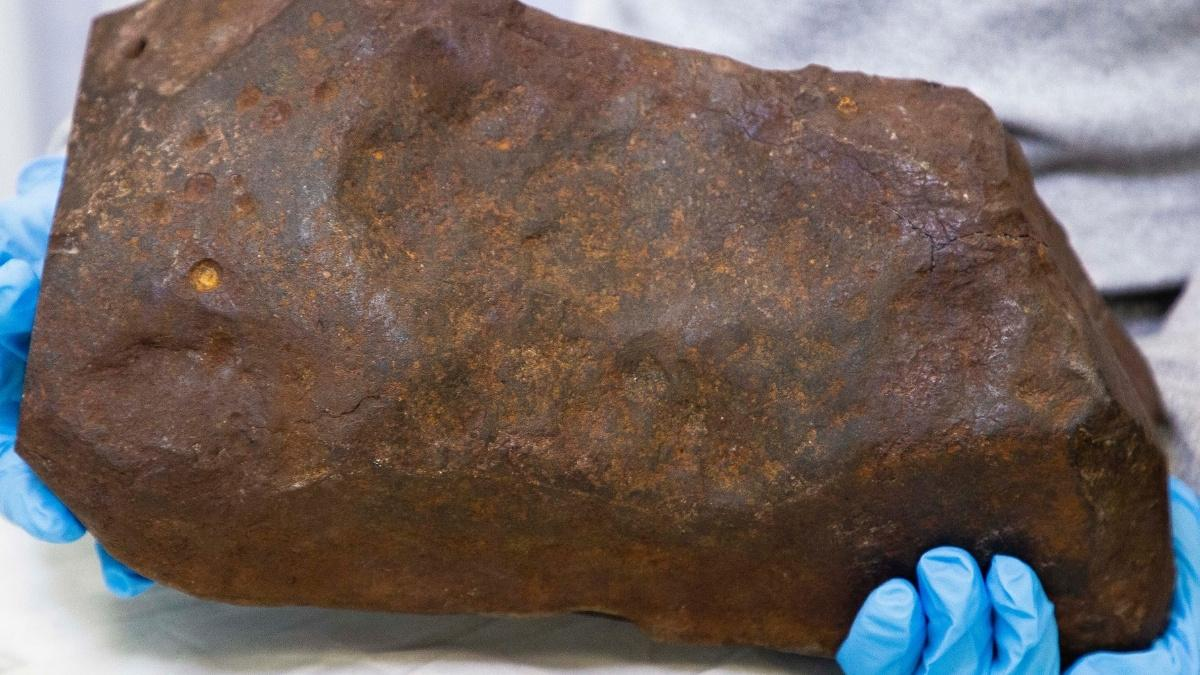 Museums-Victoria In 2015, David Hole was prospecting in Maryborough Regional Park near Melbourne, Australia, according to an article from ScienceAlert. Armed with a metal detector, he discovered something out of the ordinary – a very heavy, reddish rock resting in some yellow clay. He took it home and tried everything to open it, sure that there was a gold nugget inside the rock – after all, Maryborough is in the Goldfields region, where the Australian gold rush peaked in the 19th century. To break open his find, Hole tried a rock saw, an angle grinder, a drill, and even doused the thing in acid. However, not even a sledgehammer could make a crack. That's because what he was trying so hard to open was no gold nugget. As he found out years later, it was a rare meteorite. Penn State scientists discovered seven new ceramics by simply removing oxygen — opening a path to materials once beyond reach, according to an article from SciTechDaily. Sometimes, less truly is more. By removing oxygen during the synthesis process, a team of materials scientists at Penn State successfully created seven new high-entropy oxides (HEOs) — a class of ceramics made from five or more metals that show promise for use in energy storage, electronics, and protective coatings. During their experiments, the researchers also established a framework for designing future materials based on thermodynamic principles. Their findings were published in Nature Communications. “By carefully removing oxygen from the atmosphere of the tube furnace during synthesis, we stabilized two metals, iron and manganese, into the ceramics that would not otherwise stabilize in the ambient atmosphere,” said corresponding and first author Saeed Almishal, research professor at Penn State working under Jon-Paul Maria, Dorothy Pate Enright Professor of Materials Science. Almishal first succeeded in stabilizing a manganese- and iron-containing compound by precisely controlling oxygen levels in a material he called J52, composed of magnesium, cobalt, nickel, manganese, and iron. Building on this, he used newly developed machine learning tools — an artificial intelligence technique capable of screening thousands of possible material combinations within seconds — to identify six additional metal combinations capable of forming stable HEOs. In an exclusive article from TechCrunch, several public websites designed to allow courts across the United States and Canada to manage the personal information of potential jurors had a simple security flaw that easily exposed their sensitive data, including names and home addresses. A security researcher, who asked not to be named for this story, contacted TechCrunch with details of the easy-to-exploit vulnerability, and identified at least a dozen juror websites made by government software maker Tyler Technologies that appear to be vulnerable, given that they run on the same platform. The sites are all over the country, including California, Illinois, Michigan, Nevada, Ohio, Pennsylvania, Texas, and Virginia.  Euroatlas It swims like a predator. Looks like a shark. Hunts in packs. But this creature doesn’t eat fish… it guards the undersea cables that keep the modern world online. A German defense-tech firm, Euroatlas, has rolled out a new underwater robot called Greyshark, a long-endurance autonomous underwater vehicle (AUV) designed to patrol and safeguard the world’s vast seabed infrastructure, according to an article from eWeek. The company says the system was built to operate with minimal human involvement and to address rising concerns about the security of subsea communication lines. These cables, stretching roughly 800,000 miles, carry more than 95% of the world’s internet traffic and trillions of dollars in financial transfers each day. Recent incidents in the Baltic Sea and growing geopolitical tensions have forced governments to act faster. According to Euroatlas, Greyshark’s design centers around stealth and independence. The robot’s low-noise electric motor, composite hull, and bio-inspired shape help it move stealthily underwater while staying hard to detect. The company explained that multiple units can operate together as a coordinated group, sharing data in real time through secure underwater communication. The company also noted that the robot can “hold their position passively on the seabed and activate at critical events, such as the identification of a specific vessel,” per Interesting Engineering. Using a stack of advanced sensors, including sonar, lidar, electromagnetic scanners, cameras, and laser imaging, Greyshark can map cable routes, spot anomalies, and detect objects such as mines or unauthorized vehicles near key underwater corridors. Much of America’s musical heritage is stored on artists’ studio tapes. But as they age, many of those reels are slowly deteriorating, putting work by 20th-century masters like Bob Dylan, Fleetwood Mac and Bruce Springsteen at risk. One audio engineer, armed with unconventional machinery, is trying to solve that problem before it’s too late, according to an article from the New York Times. A huge portion of the world’s recorded musical heritage is stored on magnetic tape, used regularly from the 1940s into the digital age to capture musicians’ sounds in the studio. But as analog tape ages, it grows more fragile and vulnerable, posing a challenge for engineers like Pribble, 60, an audio preservation expert with the giant storage company Iron Mountain. For 15 years, he has been at the forefront of an obscure but vital industrywide effort to save old tapes — for which he employs an assortment of handmade tools and Rube Goldberg-worthy machines in a cramped workshop. According to a press release from Micron Technology, Micron Technology, Inc., a leader in innovative memory and storage solutions, announced its decision to exit the Crucial consumer business, including the sale of Crucial consumer-branded products at key retailers, e-tailers and distributors worldwide. Micron will continue Crucial consumer product shipments through the consumer channel until the end of fiscal Q2 (February 2026). The company will work closely with partners and customers through this transition and will provide continued warranty service and support for Crucial products. Micron will continue to support the sale of Micron-branded enterprise products to commercial channel customers globally. “The AI-driven growth in the data center has led to a surge in demand for memory and storage. Micron has made the difficult decision to exit the Crucial consumer business in order to improve supply and support for our larger, strategic customers in faster-growing segments,” said Sumit Sadana, EVP and Chief Business Officer at Micron Technology. “Thanks to a passionate community of consumers, the Crucial brand has become synonymous with technical leadership, quality and reliability of leading-edge memory and storage products. We would like to thank our millions of customers, hundreds of partners and all of the Micron team members who have supported the Crucial journey for the last 29 years.”  Image by OpenClipart-Vectors from Pixabay When the Black Death swept through Europe beginning in 1347, the plague wiped out more than half of the continent’s population, upending societies and interrupting wars. New research suggests that a volcanic eruption or multiple eruptions, unknown to Europe’s inhabitants, most likely catalyzed the pandemic’s arrival on the continent’s shores, according to an article from NBC News (and widely reported on by multiple media outlets). The theory, described in a study published December 4, 2025 in the journal Communications Earth & Environment, suggests the eruptions set off a series of events that enabled the fleas that spread the plague to proliferate in Europe. The eruptions dimmed global temperatures for a few years, causing a sudden climate shift that affected harvests in Europe. With crops failing and fears of starvation rising, some wealthy Italian city-states like Florence and Venice imported grain from elsewhere in the world. And on those ships most likely came plague-infected fleas. The actions of Florence’s leaders prevented mass starvation — tens of thousands of famine refugees migrated there, and the city was able to feed them in addition to its own citizens. But the imports unwittingly ushered in a pandemic. City leaders were proud of their accomplishment in providing enough food for so many people, said Martin Bauch, an author of the new study and a medieval historian at the Leibniz Institute for the History and Culture of Eastern Europe in Germany. “They couldn’t have an idea of what danger was there,” he said. The research offers a historical example of the way that changes in the climate can alter human societies and animal ecosystems in hard-to-predict ways and with incredible downstream consequences. A 49-year-old man claims that Grok, the AI chatbot created by Elon Musk’s xAI, helped save his life after it correctly identified a near-ruptured appendix that doctors had missed, according to an article from TipRanks. In fact, when he first went to the ER, he was told the intense abdominal pain he was experiencing was just acid reflux. But after the pain didn’t go away, he turned to Grok, which analyzed his symptoms and urged him to return to the hospital and request a CT scan. That scan confirmed a much more serious issue. A lack of physical activity puts adults at greater risk of cardiovascular diseases such as heart attacks and strokes, type 2 diabetes, dementia and cancers such as breast and colon, the organisation writes, according to an article from The Independent. But new research from the University of Sydney suggests a certain type of exercise could be more powerful in preventing these conditions than previously thought: vigorous-intensity activity. The new data found vigorous-intensity activity to be six times more effective at lowering your risk of cardiovascular disease than moderate-intensity activities like brisk walking, lead author Professor Emmanuel Stamatakis tells me. In other words, for every one minute of vigorous-intensity activity you do, you would need to do six minutes of a moderate-intensity activity to have the same impact on heart health. “For diabetes, it’s nine times more effective, and for all-cause mortality and cancer, it’s a little bit lower,” Professor Stamatakis adds.  Image by kalhh from Pixabay Malicious extensions do occasionally find their way into the Chrome Web Store (and similar libraries in other browsers) by posing as legitimate add-ons, according to an article from Lifehacker. They are particularly difficult to catch when they are benign to begin with, only morphing into malware after gaining user trust. That's what happened with a number of extensions on Google Chrome and Microsoft Edge: researchers at Koi Security identified add-ons across both browsers that operated legitimately for several years before receiving malicious updates that allow hackers to surveil users and collect and exfiltrate sensitive data. The scheme, known as ShadyPanda, reached four million downloads and is still active on Edge. Threat actors ran a similar campaign targeting Firefox earlier this year: They gained approval for benign extensions mimicking popular crypto wallets, accumulated downloads and positive reviews, and then injected the add-ons with malicious code capable of logging form field inputs, which they used to access and steal crypto assets. During the first week of December, pet products and services giant Petco confirmed that it experienced a data breach involving customers’ personal information, without specifying what type of data was affected, according to an article from TechCrunch. On December 5, in a legally required filing with Texas’ attorney general’s office, Petco reported that the affected data included names, Social Security numbers, driver’s license numbers, financial information such as account numbers, credit or debit card numbers, and dates of birth. Senescent “zombie” cells are linked to aging and multiple diseases, but spotting them in living tissue has been notoriously difficult, according to an article from Science Daily. Researchers at Mayo Clinic have now taken an inventive leap by using aptamers—tiny, shape-shifting DNA molecules—to selectively tag these elusive cells. The project began as an offbeat conversation between two graduate students and quickly evolved into a collaborative, cross-lab effort that uncovered aptamers capable of binding to unique surface proteins on senescent cells. 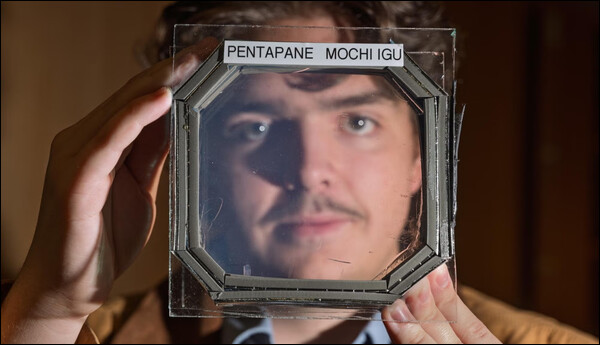 Glenn Asakawa/CU Boulder Researchers at the University of Colorado Boulder believe they have found a solution to poor insulating glass windows, according to an article from The Brighter Side. Physicists there have developed a new transparent insulating material known as a Mesoporous Optically Clear Heat Insulator, or MOCHI. The material behaves like a highly controlled version of frozen air, trapping heat while remaining almost invisible. MOCHI consists of a network of hollow silicone nanotubes arranged in a highly uniform pattern. Air makes up more than 90% of its volume, yet the solid framework keeps those air pockets stable and evenly spaced. By limiting solid material to just 5% to 15%, the team achieved both low heat flow and high transparency. Tests showed that thin MOCHI sheets transmit more than 99% of visible light, with almost no haze. Ordinary window glass typically transmits less than 92%. At the same time, MOCHI conducts heat at less than half the rate of still air. According to Ivan Smalyukh, senior author of the study and a physics professor at CU Boulder, that balance has been elusive. Gut-microbiome metabolites may hold the key to new treatments for obesity and type 2 diabetes, according to an article from Science Daily. Scientists from Harvard found that certain molecules made by gut bacteria travel to the liver and help control how the body uses energy. These molecules change depending on diet, genetics, and shifts in the microbiome. Some even improved insulin response in liver cells when tested in the lab. The findings could open the door to new ways of preventing or managing obesity and diabetes. Scientists have uncovered a powerful new antibody that disrupts a key protein helping triple-negative breast cancer survive and evade immunity, according to an article from SciTechDaily. Triple-negative breast cancer (TNBC) is considered one of the most aggressive and difficult forms of breast cancer to treat. It grows rapidly, tends to spread at an early stage, and does not have the hormone receptors that allow many other breast cancers to be treated with targeted drugs. Although some patients respond to initial therapy, the disease frequently comes back and is often more resistant to treatment the second time. New research published in Breast Cancer Research highlights a potential way to address this challenge. Scientists at MUSC Hollings Cancer Center created an antibody designed to interfere with several processes that help TNBC cells survive, multiply, and avoid detection by the immune system. In early experiments, the antibody reduced the growth of primary tumors, limited the spread of cancer to the lungs, and restored the activity of immune cells that attack cancer. It was also effective against cancer cells that no longer responded to chemotherapy.  Image by Ribhav Agrawal from Pixabay The first successful human implant of a 3D-printed cornea made from human eye cells cultured in a laboratory has restored a patient’s sight, according to an article from The Good News Network. The North Carolina-based company that developed the cornea described the procedure as a ‘world first’—and a major milestone toward its goal of alleviating the lack of available donor tissue and long wait-times for people seeking transplants. According to Precise Bio, its robotic bio-fabrication approach could potentially turn a single donated cornea into hundreds of lab-grown grafts, at a time when there’s currently only one available for an estimated 70 patients who need one to see. Scientists in Brazil from the Federal University of Grande Dourados (UFGD), the State University of Campinas (UNICAMP), and São Paulo State University (UNESP) have carried out new research on the Joseph’s Coat plant (Alternanthera littoralis), demonstrating its safety along with anti-inflammatory, pain-relieving, and anti-arthritic effects, according to an article from SciTechDaily. The plant grows naturally along Brazil’s coastline and has a long history of use in traditional remedies for inflammation, infections caused by microorganisms, and parasitic illnesses. Until recently, however, these traditional uses had not been thoroughly supported by pharmacological studies or formal safety evaluations. From the “hmmm … I didn’t see that coming department” [/sarcasm], threat actors are now using paid search ads on Google to spread conversations with ChatGPT and Grok that appear to provide tech support instructions but actually direct macOS users to install an infostealing malware on their devices, according to an article from Lifehacker. The campaign is a variation on the ClickFix attack, which often uses CAPTCHA prompts or fake error messages to trick targets into executing malicious commands. But in this case, the instructions are disguised as helpful troubleshooting guides on legitimate AI platforms.  Artist concept from NASA/ESA/CSA A new discovery, made using the James Webb Space Telescope (JWST), may just be the weirdest exoplanet yet, possessing an atmosphere unlike any we've ever seen on an exoplanet, according to an article from Space.com. Currently, the team behind this discovery can't explain how such a planet came to be. The planet, designated PSR J2322-2650b, has a mass around that of Jupiter and orbits a dead star called a pulsar that blasts out twin jets of radiation that sweep across the universe like a cosmic lighthouse. Technically, the system is classified as a "black window pulsar," a binary star normally containing both a pulsar and stellar body, which the pulsar erodes and devours with its jets of radiation. However, what sets PSR J2322-2650b apart are the facts that it has an ellipsoid shape, like a planetary lemon or football, and that it has an atmosphere like none scientists have ever seen before. "This was an absolute surprise," team member Peter Gao of the Carnegie Earth and Planets Laboratory said in a statement. "I remember after we got the data down, our collective reaction was 'What the heck is this?' It's extremely different from what we expected." The atmosphere of PSR J2322-2650b is dominated by helium and carbon, and likely has clouds of carbon soot that condense to create diamonds that rain down onto the planet. Are the days of cord-cutting over? Traditional cable providers see first increase in subscribers in eight years, according to an article from Yahoo! News. The rise came during the third quarter of 2025 amid soaring streaming service fees. Over 303,000 subscribers returned to traditional cable providers in Q3, Light Reading reports, citing MoffettNathanson’s latest Cord—Cutting Monitor report. Industry analysts attributed the increase to a combination of factors, most notably reduced subscriber losses among traditional providers and strong performance from internet—based services known as virtual multichannel video programming distributors (vMVPD). Despite the encouraging figures, analysts warned that the gain may be temporary. Dick Van Dyke, the legendary American actor and comedian who starred in classics such as Mary Poppins and Chitty Chitty Bang Bang, turned 100 on December 13. The beloved actor credits his remarkable longevity to his positive outlook and never getting angry, according to an article from Science Alert. While longevity of course comes down to many factors – including genetics and lifestyle – there is some truth to Van Dyke's claims. Numerous studies have shown that keeping stress levels low and maintaining a positive, optimistic outlook are correlated with longevity.  Cancer Genome Atlas A new study finds that artificial intelligence systems used to diagnose cancer from pathology slides do not perform equally for all patients, with accuracy varying across race, gender, and age groups, according to an article from SciTechDaily. Researchers uncovered three main reasons behind this bias and introduced a new approach that dramatically reduced these performance gaps. The results underscore the importance of routinely testing medical AI for bias so these tools can support fair and accurate cancer care for everyone. Biomedical scientists are racing to identify the genes that contribute to illness, hoping that these discoveries will lead to treatments that target the right genes and help bring the body back to health, according to an article from Science Daily. When one faulty gene is responsible, the path to understanding the problem can be fairly direct. Many conditions, however, are far more complicated. In these cases, multiple genes, sometimes even thousands, play a role, and it becomes much harder to sort out how they connect to the disease. A new genomic mapping approach could make that challenge easier to tackle. In a Nature study, researchers at Gladstone Institutes and Stanford University used a broad strategy that tests the impact of every gene in a cell, linking diseases and other traits to the underlying genetic systems that shape them. The resulting maps could cut through confusing biology and spotlight the genes most likely to be useful targets for new therapies. Although they are technically gas giants, Uranus and Neptune are referred to as "ice giants" due to their composition. This refers to the fact that Uranus and Neptune have more methane, water, and other volatiles than their larger counterparts (Jupiter and Saturn). Given the pressure conditions in the planets' interiors, these elements become solid, essentially becoming 'ices.' However, new research from the University of Zurich (UZH) and the National Centre of Competence in Research (NCCR) PlanetS is challenging our understanding of these interior regions of these planets, according to an article from Science Alert. According to the research team's findings, which appeared in Astronomy & Astrophysics, Uranus and Neptune may be more rocky in their cores and less 'icy' than previously thought.  Linus Torvalds responded and rightfully called out the ever-growing and complex nature of security modules, amid calls for a new Linux Security Module, according to an article from Phoronix. "If you can't convince the LSM people to take your code, you sure can't convince me. I already think we have too many of those pointless things. There's a fine line between diversity and "too much confusion because everybody thinks they know best". And the linux security modules passed that line years ago. So my suggestion is to standardize on normal existing security models instead of thinking that you can do better by making yet another one. Or at least work with the existing people instead of trying to bypass them and ignoring what they tell you. Yes, I know that security people always think they know best, and they all disagree with each other, which is why we already have tons of security modules. Ask ten people what model is the right one, and you get fifteen different answers. I'm not in the least interested in becoming some kind of arbiter or voice of sanity in this." An international team of researchers has examined brain scans from nearly 30,000 people and uncovered noteworthy links between frequent consumption of ultra-processed foods (UPFs) and differences in brain structure, according to an article from SciTechDaily. These structural differences may contribute to patterns of overeating and make it harder for individuals to regulate their eating habits. “Our findings suggest that higher consumption of ultra-processed foods is associated with differences in the brain. These associations could be linked to behavioural patterns such as overeating, though causal relationships cannot be confirmed by our study. The observed associations are not solely explained by inflammation or obesity; ingredients and additives typical to UPFs, such as emulsifiers may also play a role, although this requires further longitudinal or experimental evidence,” explains the shared first author of the research Arsène Kanyamibwa from the University of Helsinki. Here we go again. “Microsoft is trying a new way to stop users from downloading Google Chrome.” We have seen this before. Just as with Apple, the two tech giants are pushing hard to keep users within their own walled gardens, on Safari and Edge, according to an article from Forbes. The latest news comes from Windows Report. “If you open the Chrome download page in Microsoft Edge, you may see a new banner at the top.” Instead of just presenting the usual Edge versus Chrome comparison, “Microsoft now focuses on protection.”  Image by Gerd Altmann from Pixabay While massive contact databases can be a significant time-saver for businesses, they also have a major drawback – security. If left unprotected, a single exposed dataset can endanger the privacy of millions of users. That’s exactly what the Cybernews research team discovered in a recent major data leak, according to a Cybernews blog post. The team found an unprotected MongoDB instance containing a staggering 16.14 terabytes of professional and corporate intelligence data. In total, researchers discovered nearly 4.3 billion documents, making it one of the largest lead-generation datasets to have ever leaked. Bob Diachenko, a Cybernews contributor, cybersecurity researcher, and owner of SecurityDiscovery.com, is behind this major discovery. Diachenko uncovered the 4.3 billion-strong database on November 23rd, 2025, with the instance’s owners securing it two days later. While researchers do not know how long the instance was exposed before being found, if our team was able to find it, less high-minded individuals may have also. Attackers treasure large and well-organized datasets with abundant personal information, as they enable the conduct of large-scale automated attacks. 700Credit, a U.S.-based financial services and fintech company, will start notifying more than 5.8 million people that their personal information has been exposed in a data breach incident, according to an article from BleepingComputer. The cyberattack occurred after a threat actor had breached one of 700Credit's integration partners in July and discovered an API for obtaining customer information. However, the partner did not inform 700Credit of the compromise. 700Credit noticed suspicious activity on its systems on October 25 and launched an investigation, with assistance from third-party computer forensic specialists. According to 700Credit Managing Director Ken Hill, the attacker managed to steal around 20% of consumer data from May to October before the company terminated the exposed API. The threat actor was able to exfiltrate data due to a security vulnerability in the API, a failure to validate consumer reference IDs against the original requester. The data types that have been exposed include customers’ Full name, physical address, date of birth, and Social Security Number (SSN). Another PayPal phishing scam is circulating, this time with email notifications about recurring or automatic payments, according to an article from Lifehacker. The messages originate from a legitimate PayPal address, allowing them to evade some security filters and leave recipients worried that their accounts have been compromised—perhaps just enough to ignore the obvious red flags and call or email scammers back. Here's how scammers are exploiting PayPal settings to land in your inbox. If you're targeted by this campaign, you may receive an email with the subject line "Your automatic payment status has changed" or "Recurring Payment Reactivated." The layout imitates a real PayPal notification and includes a message about a high-dollar payment being "successfully processed" along with a customer service email and phone number to contact PayPal support. The email is full of red flags: It is addressed to a random name (or, in one of the messages I received, "Hello Update Invoice"), has poor spelling and wonky formatting, and simply doesn't make sense. You can easily spot oddities like bold text and Unicode characters, which BleepingComputer notes is a trick used to bypass spam filters and keyword detection. |